




Used car complaints are rising, but the bigger story is trust
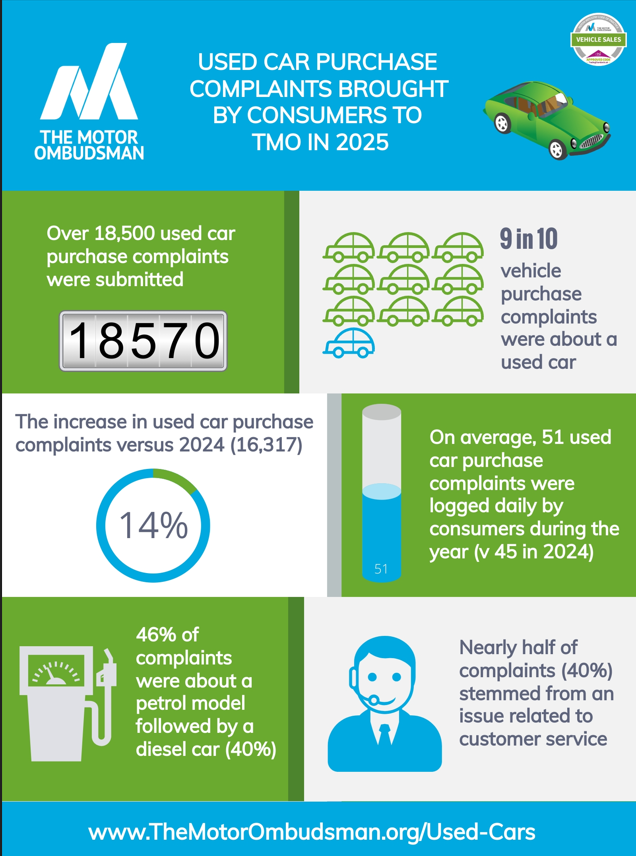
Used car complaints are up, but the headline only tells part of the story. The Motor Ombudsman says complaints about used cars rose 14% in 2025, reaching 18,570, while SMMT data shows the UK used car market also grew to 7,807,872 transactions. In other words, more people bought second-hand cars, and more people ended up unhappy with something in the process.
Even so, the overall proportion stayed relatively low. The Motor Ombudsman said used cars made up 40% of all cases it opened, but that still worked out at around 0.2% of used car transactions, or roughly 1 in 420 sales in 2025, compared with 1 in 468 in 2024. That is hardly a picture of a market in meltdown, but it is a reminder that small percentages still translate into a lot of real-world frustration when nearly eight million vehicles change hands.
Customer service complaints against car dealers are leading the way
The most striking finding is that customer service, not mechanical failure, was the biggest source of trouble. According to The Motor Ombudsman, 40% of used car disputes were driven by the level of service consumers received from retailers. That included concerns about undeclared modifications, missing vehicle history information and businesses failing to respond to queries once the sale had gone through.
That matters because it shifts the conversation. When people think about car dealer complaints, they often picture a blown engine or a warning light that appears at the least convenient moment possible. But the latest figures suggest many disputes begin earlier, with communication gaps, poor disclosure or unrealistic expectations left to wobble about unresolved. Nobody enjoys discovering that “full history” turned out to be more of a hopeful mood than a documented fact.
If your business services, repairs or modifies vehicles then Plan Insurance Brokers can source a tailored Motor Trade insurance policy for you. If you have any more questions or would like a quote call our expert team, request a call back or fill in our new quick quote form.
Mechanical faults still matter, especially after the sale
Mechanical issues remain a major part of the picture. The Motor Ombudsman said engine and powertrain-related faults accounted for 35% of disputes, making them the second biggest driver. Examples in the report included cracked engine blocks, seized crankshafts, loose timing tensioner pulleys and premature head gasket wear, including on low-mileage vehicles.
For motorists, that reinforces why paperwork, condition checks and aftersales support still matter long after the handover. Faults can happen in any used vehicle market, but disputes tend to become harder and more expensive when there is already disagreement about what was disclosed, what was promised and who is meant to do what next. That is where faulty used car rights become part of the conversation, alongside the practical question of how quickly a retailer responds when something goes wrong.
Why used car complaints are rising in the UK
Part of the answer is volume. More cars were sold in 2025 than in 2024, so some uplift in complaints is not surprising. But Bill Fennell, chief ombudsman and managing director of The Motor Ombudsman, also said that “a high level of customer service remains paramount”, warning that many retailers fell short before or after buyers were handed the keys.
That is probably the most useful takeaway here. This is not only a story about defects. It is a story about expectations, transparency and how businesses behave when a customer raises an issue. For anyone wondering how The Motor Ombudsman handles used car disputes, its role is to provide independent alternative dispute resolution where a complaint falls within its remit and the business is accredited.