



“Made in Europe v Made in China” – Are Tariffs Coming Back?
The latest UK-EU agreement may have made headlines, but for the motor trade one of the biggest questions remains unresolved.
From January 2027, tougher rules of origin are due to apply to electric and plug-in hybrid vehicles traded between the UK and EU. These rules determine how much of a vehicle must originate in Britain or the EU for it to be traded tariff-free. The current transitional arrangements were previously extended to the end of 2026 because battery supply chains hadn’t developed as quickly as anticipated.
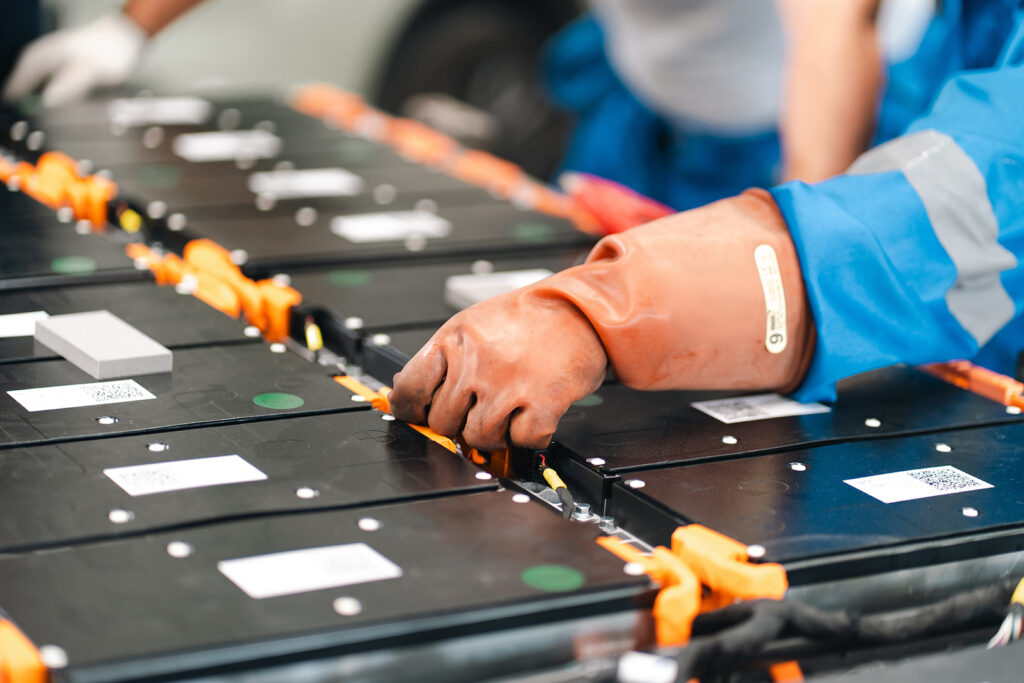
Under the 2027 requirements, at least 55% of the value of a finished vehicle must originate in the UK or EU. There are also tougher requirements for batteries, including thresholds of 70% for battery packs and 65% for battery cells.
Why Is That a Problem?
Britain and Europe remain heavily reliant on batteries and components sourced from elsewhere, particularly Asia. Industry bodies SMMT and ACEA estimate that fewer than one in four electric and plug-in hybrid cars and vans traded between the UK and EU in 2027 would currently comply with the tougher requirements. Vehicles that don’t qualify for tariff-free trade could face a 10% tariff.
For a used car dealer, customs regulations may feel fairly remote. But if tariffs alter the price or competitiveness of new EVs coming into Britain, the effects could ultimately feed through into discounts, part-exchange prices and used residual values.
Whether you’re an independent dealer, franchised retailer or part-time trader, Plan Insurance Brokers can source a tailored Motor Trade Insurance policy for you. Request a call back or fill in our quick quote form.
Then There’s the China Question
As we explore in our separate ‘Chinaggedon’ article, Chinese manufacturers are rapidly increasing their UK presence, often backed by highly competitive pricing and finance deals.
That creates an interesting dilemma. Tougher rules between Britain and Europe could potentially make some European EVs more expensive at precisely the time Chinese manufacturers are increasing competition within the UK market. Industry concerns have therefore extended beyond rules of origin to how Britain fits into the EU’s proposed “Made in Europe” policies.
These rules would favour vehicles substantially manufactured within Europe when public money, subsidies and procurement are involved. One element would require EVs to be assembled in the EU and contain around 70% EU-made components, excluding batteries, to qualify for support.
For Britain, the question is whether UK-built cars and components will receive similar treatment. That matters because the UK automotive industry is closely integrated with European manufacturing, whilst Britain has simultaneously taken a relaxed approach to the rapidly growing number of Chinese manufacturers entering its market.
For dealers, that may sound like distant industrial policy. But decisions that affect where cars are manufactured, which vehicles receive incentives and the relative competitiveness of European, British and Chinese brands could ultimately influence the new-car prices and residual values feeding into the used market.
But a 10% Tariff Isn’t Inevitable
Importantly, the industry is pushing for another delay or a more pragmatic solution.
Ahead of the latest UK-EU summit, the SMMT and ACEA called for the issue to be resolved, while reports have suggested that postponing or modifying the arrangements remains under consideration.
So dealers certainly shouldn’t assume that vehicle prices are about to rise by 10%. Even if tariffs are introduced, that doesn’t automatically mean the whole cost would be passed directly to customers.
What it does create is another variable worth monitoring when buying stock.
With EV demand growing, Chinese brands reshaping the new-car market and UK-EU trading arrangements still evolving, new-car prices and used values are becoming increasingly interconnected.
For independent dealers, keeping an eye on what happens in the new-car market may be just as important as watching the prices going through the auction hall.